
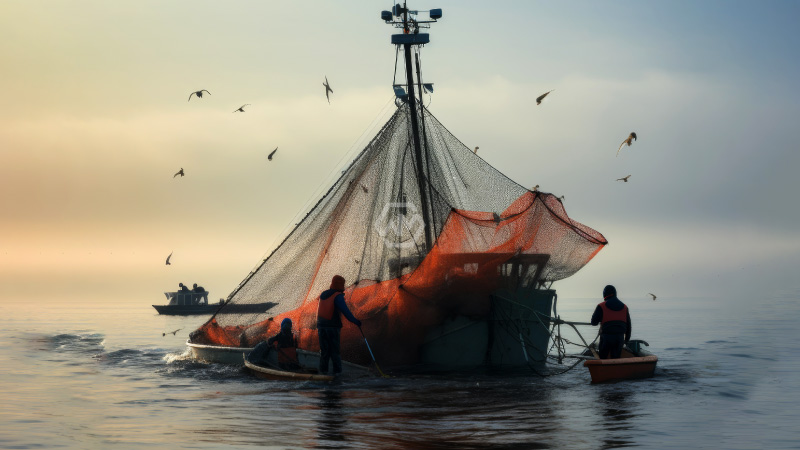
- 18 Indonesian nationals fined and deported for illegal fishing in Australian waters.
- Over 900kg of sea cucumber worth A$90,000 seized; vessels destroyed.
- Australia intensifies outreach to deter illegal fishing at the source.
Australian maritime authorities intercepted three Indonesian fishing vessels in mid-May 2025 near Croker Island and the Cobourg Peninsula. The crews, totaling 18 people, pleaded guilty to illegal fishing and faced fines ranging from A$4,000 to A$10,000.
The operation resulted in the seizure of over 900kg of sea cucumber—a valuable delicacy in international markets. Australian authorities continue to combat illegal fishing through preventative efforts, including community education in Indonesia, targeted media outreach, and direct engagement with fishers to raise awareness about maritime boundaries and penalties.
Australia Fines and Deports Indonesian Fishers for Sea Cucumber Poaching
In a coordinated enforcement action, Australian border and fisheries officials intercepted three separate Indonesian fishing vessels operating illegally in Australian waters on May 11 and 12, 2025. The seizures took place near Croker Island and the Cobourg Peninsula in the Northern Territory.
The vessels carried more than 900kg of illegally harvested sea cucumber, a highly sought-after product in Asian markets. Authorities estimated the haul’s market value at up to A$90,000. Alongside the catch, fishing equipment was also confiscated.
Legal proceedings held in Darwin Local Court on May 27 resulted in all 18 crew members pleading guilty. The vessel masters received steeper penalties, including one who had a prior offense in 2007. All vessels were subsequently destroyed at sea in accordance with Australian law.
To curb repeated offenses, Australian officials have launched public information campaigns in Indonesian fishing villages, distributed educational resources, and used targeted digital campaigns to increase awareness of legal fishing zones and consequences of violations.
Australia’s response reflects its firm stance on protecting marine resources and maintaining maritime sovereignty, with both enforcement and education central to its strategy.
“Prevention is better than cure.” – Desiderius Erasmus