
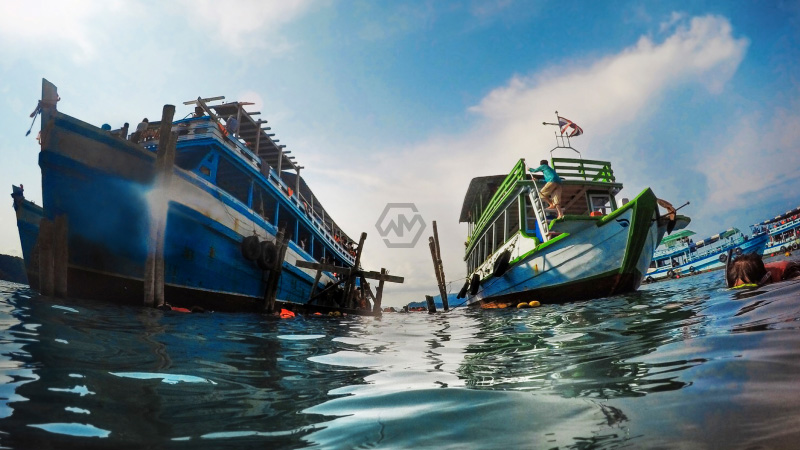
- Malaysia recorded 515 foreign fishing intrusions from 2020–2024, costing over MYR 823 million.
- The Fisheries (Amendment) Bill 2025 boosts enforcement powers and aligns with global standards.
- Stronger penalties aim to protect marine ecosystems and rural fishing livelihoods.
Malaysia has taken a decisive step toward ending years of heavy losses from illegal, unreported, and unregulated (IUU) fishing. On 29 July, lawmakers passed the Fisheries (Amendment) Bill 2025, introducing tougher enforcement measures and aligning national laws with the Food and Agriculture Organization (FAO) and European Commission framework
Between 2020 and 2024, Malaysian authorities recorded 515 cases of illegal fishing by foreign boats, causing an estimated MYR 823 million (USD 194.4 million) in economic and ecological damage.
Malaysia Passes 2025 Fisheries Bill to Deter IUU Fishing Losses
The 2025 Fisheries Bill signals a shift from reactive enforcement to proactive marine resource management. Authorities intend to boost monitoring systems, expand patrol coverage, and leverage satellite technology to detect unauthorized fishing activities in real time.
Officials emphasize that the legislation is not purely punitive; it also addresses structural issues in fisheries governance. By harmonizing national regulations with international best practices, Malaysia aims to improve transparency, reporting, and collaboration with regional partners.
For small-scale fishing communities, especially those on remote islands, the law promises better protection from resource depletion. Many have faced declining catches and reduced incomes due to aggressive poaching by foreign fleets operating in Malaysian waters.
The government also hopes that stronger enforcement will deter repeat offenders. The higher penalties, combined with faster prosecution processes, are expected to send a clear signal to vessels considering illegal entry into Malaysia’s exclusive economic zone.
By strengthening its fisheries law, Malaysia is not only defending its maritime borders but also securing the livelihoods of its coastal communities for generations to come.
“We do not inherit the earth from our ancestors; we borrow it from our children.” – Proverb