
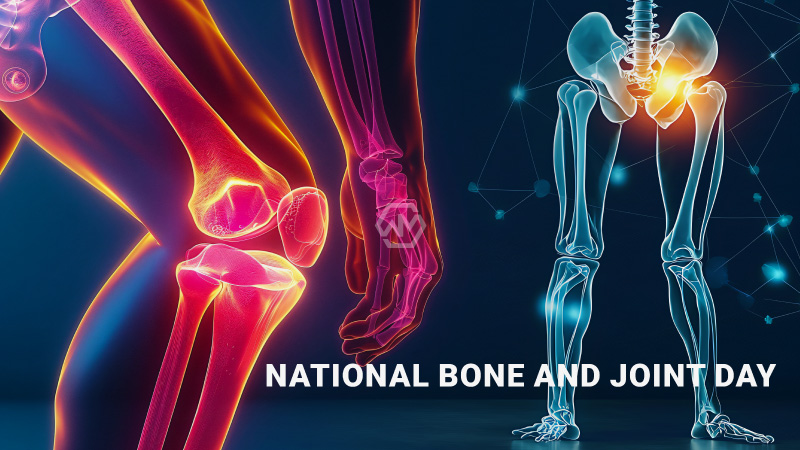
- Joint disorders are rising rapidly among Indians aged 30 to 50.
- Sedentary routines, poor posture, and incorrect workouts are major culprits.
- Experts recommend daily movement, posture correction, and nutrient-rich diets.
Joint issues are no longer limited to the elderly—India’s younger generation is increasingly showing signs of bone and joint degeneration. Experts report a spike in conditions such as early-onset osteoarthritis, postural syndromes, and femoroacetabular impingement (FAI), especially among urban professionals.
Notably, many patients in their 30s and 40s are undergoing treatments previously reserved for seniors, such as PRP therapy and even joint replacements.
Bones in the Balance: Young Indians at Risk of Premature Joint Wear
Modern work culture, dominated by desk jobs and digital screens, has drastically reduced daily movement. Extended sitting leads to joint stiffness and poor muscle activation, often resulting in chronic pain and poor posture. This is especially concerning in metro cities where fast-paced routines leave little time for physical care.
Nutritional gaps further contribute to declining joint health. Many young adults consume processed foods low in calcium and vitamin D, weakening bone density over time. Coupled with low sunlight exposure due to indoor lifestyles, vitamin D deficiency is becoming rampant, silently eroding bone strength.
Recreational exercise, while beneficial, can also backfire if not approached correctly. Common mistakes include overtraining, lifting weights with poor form, and running on hard surfaces without appropriate footwear. These practices can lead to stress fractures, ligament injuries, and long-term joint damage.
Women, especially post-menopausal, face additional challenges due to hormonal changes affecting bone density. Regular screenings such as bone mineral density tests and early intervention strategies can help avoid severe complications later in life. Prevention, not cure, remains the wisest approach.
India’s young workforce must prioritize bone and joint health before damage becomes irreversible. Simple, consistent lifestyle shifts today can prevent major mobility issues tomorrow.
“An ounce of prevention is worth a pound of cure.” – Benjamin Franklin