
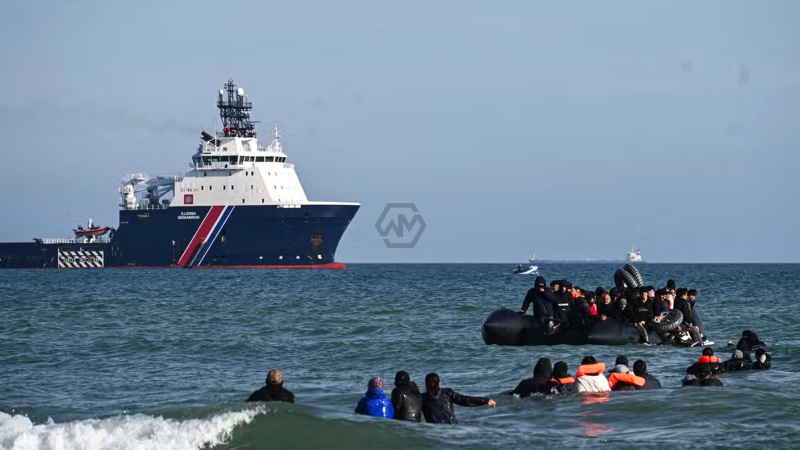
- Britain imposes first-ever sanctions targeting global human smuggling networks.
- 24 individuals and a China-based company face asset freezes and travel bans.
- Cross-channel migrant arrivals rise sharply despite wider immigration controls.
In a bold move to confront the rise in illegal migration, the UK government has imposed sanctions on 24 individuals and one company linked to global smuggling operations.
This is the first time the UK has used its new legal powers to directly confront the machinery behind cross-Channel migration. Among those sanctioned are members of the Balkan-based Kavac Gang, suppliers from Iraq, and a Chinese firm advertising boats for smuggling.
Britain Strikes Back at Human Trafficking Rings with Unprecedented Sanctions
The British government has escalated its fight against human trafficking with a sweeping set of sanctions aimed at dismantling the financial backbone of smuggling networks. This unprecedented use of legal power reflects growing frustration over the spike in Channel crossings, which have reached nearly 42,000 this year—a 34% increase compared to 2024. Officials are particularly alarmed by the sophistication of these operations, which often involve forged documents, offshore accounts, and safe houses across Europe.
Seven of the individuals named are believed to have connections to smuggling routes originating in Iraq, while eight others are allegedly part of a passport-forging syndicate linked to organized crime in the Balkans. The Chinese company targeted is accused of directly marketing boats online for the purpose of ferrying migrants illegally across European borders. These actors have been cut off from UK financial systems and banned from entering the country.
The sanctions are part of Prime Minister Keir Starmer’s broader strategy to “smash the gangs” fueling irregular migration. While overall immigration numbers are down, the dangerous rise in small boat crossings has sparked political backlash and public concern. The government insists the new measures are not just punitive but preventative—aimed at dissuading traffickers and disrupting their operations globally.
In a separate move, the Home Office has enlisted major food delivery firms to monitor possible illegal work by asylum seekers, which is often arranged by smuggling gangs upon arrival. Deliveroo, Just Eat, and Uber Eats will now have access to data on asylum accommodations, allowing them to flag account misuse or unauthorized work. This partnership reflects a broader shift toward integrating law enforcement with private sector platforms to tackle illegal migration at multiple levels.
By targeting both the financial enablers and employment networks of human trafficking, the UK is signaling a comprehensive new approach to disrupting irregular migration at its roots.
“The fight against human trafficking is the fight for human dignity.” – Antonio Guterres