
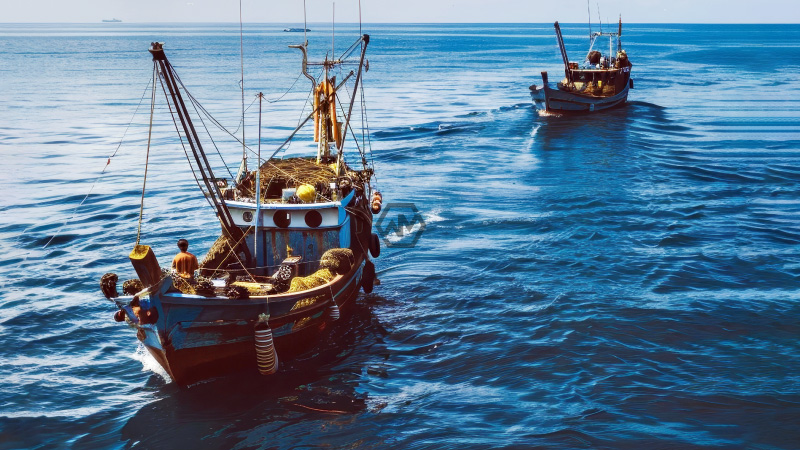
- UK fishing vessel fined over illegal practices and log violations during 2022 inspection.
- Tamil Nadu fishermen stress the critical role of Katchatheevu in sustaining livelihoods.
- Both cases highlight tensions in fisheries regulation and traditional fishing rights.
A Northern Irish fishing vessel, Northern Viking (N74), and its master Darren Wilson, were penalized for multiple fisheries offenses in the UK following a Marine Management Organisation (MMO) inspection.
Meanwhile, in Tamil Nadu, Indian fishermen have intensified their demand to legally access the waters surrounding Katchatheevu Island—an area rich in marine resources and historically vital to their fishing traditions.
From Courts to Coasts: Fisheries Law and Traditional Rights Clash Across Continents
The Northern Viking case serves as a stark reminder of the stringent enforcement of fisheries regulations in UK waters. The MMO, responsible for sustainable fisheries management, emphasized that the vessel’s failure to maintain its tracking and logging systems undermined both safety and environmental accountability. This breach reflects growing international efforts to clamp down on illegal, unreported, and unregulated (IUU) fishing.
In contrast, the issues facing Tamil Nadu’s fishermen are rooted in geopolitics and cultural heritage. The ceding of Katchatheevu Island to Sri Lanka in 1974 continues to provoke regional debate. For generations, Indian fishermen from Rameswaram and nearby villages have relied on these waters for survival, and the restricted access is seen not only as an economic blow but a violation of ancestral rights.
Local leaders and fishing associations are calling for bilateral talks to allow “stay fishing” near Katchatheevu, a practice that would enable them to anchor and fish responsibly in the disputed region. Many argue that the current restrictions disproportionately harm small-scale fishers who lack the resources to operate elsewhere, forcing them into risky confrontations with Sri Lankan authorities.
The juxtaposition of a legal crackdown in the UK and grassroots activism in India illustrates the diverse pressures facing the global fishing industry. Whether it’s regulatory compliance in Northern Europe or territorial friction in South Asia, these events underscore a need for balanced policies that protect both marine ecosystems and coastal communities.
The contrasting cases from the UK and India reveal how fisheries governance must adapt to address both regulatory and cultural dimensions of the world’s oceans.
“The sea, once it casts its spell, holds one in its net of wonder forever.” – Jacques Cousteau