
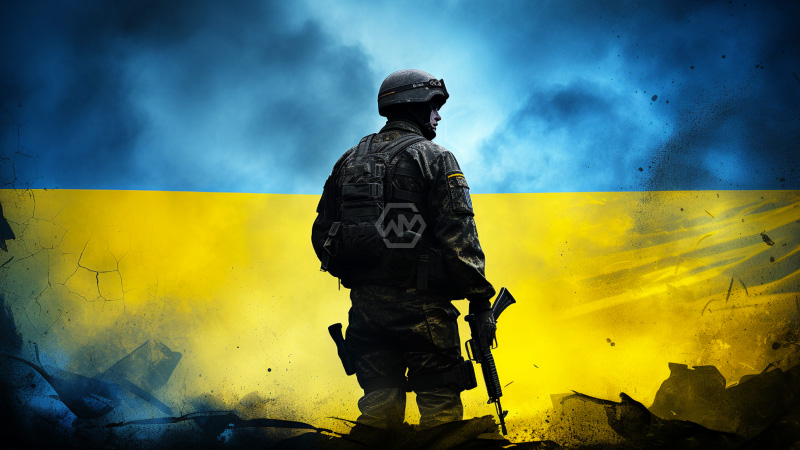
- Kyiv maintains daily life despite relentless Russian drone and missile attacks at night.
- Over 800 civilian sites have been hit in 2025 alone, sparking psychological fatigue.
- International peacekeeping plans emerge as NATO eyes missile defense upgrades.
In Kyiv, life unfolds in stark duality. The sunlit hours are filled with scenes of normalcy—crowded coffee shops, playful children, and busy metros—masking the deep undercurrent of dread that nightfall brings.
Russia’s tactics increasingly blur the line between military strategy and civilian terror. Recent strikes on maternity wards and residential blocks indicate a calculated effort to sow fear and destabilize morale.
Under Siege: Kyiv’s Fight for Normalcy in the Shadow of War
Ukrainians have adapted to a rhythm of survival. Parents keep shelter bags by the door, young professionals swap war jokes in cafes, and subway stations double as cradles of safety. The contrast is surreal: a child’s laughter in the morning, followed by the distant rumble of drones hours later. This split existence has become the new normal in a city fighting to stay human amidst inhumanity.
The psychological impact is mounting. Residents speak of sleep deprivation, hyper-vigilance, and the surreal feeling of preparing to die while brushing their teeth. Still, social media pulses with posts about morning workouts, birthday parties, and resilience. For many, continuing with daily life is not denial—it is defiance.
International attention is intensifying. France and Britain recently proposed a Multinational Force Ukraine to help enforce a potential ceasefire. The mission would be headquartered in Paris initially and focus on airspace protection and troop training. While purely hypothetical at this stage, the proposal has angered the Kremlin, which rejects any foreign troop presence near its borders.
The strategic implications are profound. NATO, responding to Russia’s increased investment in long-range missiles, is ramping up its own arsenal. Military leaders stress that future defense lies in technological parity. The war has revealed how critical long-range strikes and drone warfare have become, reshaping European security planning for years to come.
Kyiv’s resolve is both its shield and its silent anthem—proof that even under fire, a city can breathe, rebuild, and believe in tomorrow.
“The human capacity for burden is like bamboo – far more flexible than you’d ever believe at first glance.” — Jodi Picoult