
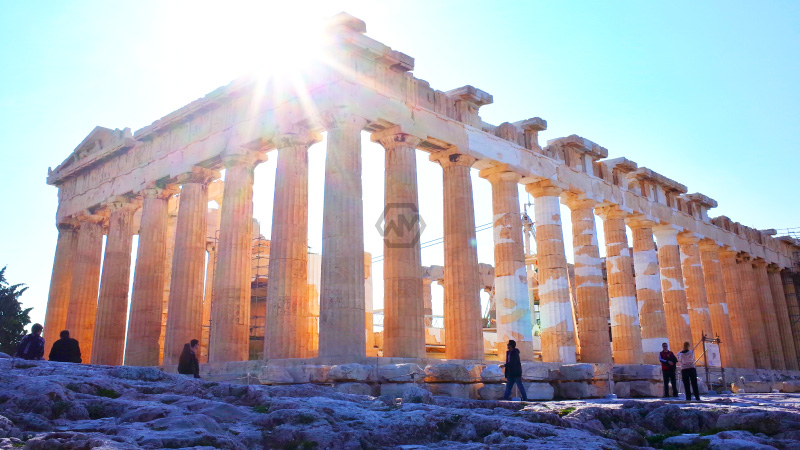
- Greece enforces partial Acropolis closure to protect public during extreme heat.
- Temperatures are forecast to hit 42°C, with Athens peaking at 38°C.
- The site sees over 4.5 million annual visitors, stressing the need for safety.
As Greece battles another intense summer heatwave, the historic Acropolis in Athens will undergo partial daily closures to shield workers and tourists from dangerous temperatures.
This four-day heatwave marks the second major surge in temperatures since late June, underscoring the region’s growing vulnerability to climate extremes.
Greece’s Acropolis Closes Midday as Heatwave Pushes Mercury to Dangerous Highs
The Acropolis stands as a beacon of ancient Greek civilization, but its exposed limestone terrain offers minimal relief during extreme weather. With tens of thousands of daily visitors braving steep climbs and minimal cover, officials determined that limiting midday access was essential to preventing heat-related illnesses.
Greece has seen a steady rise in tourism, with over 4.5 million people visiting the Acropolis in 2023 alone—an increase of more than 15% compared to the previous year. This boom has brought economic gains but also presents challenges in managing public health during hotter summers.
Meteorologists warn that climate patterns in the Mediterranean are shifting rapidly. Prolonged heatwaves and drier conditions are now more frequent, placing increased pressure on governments to adapt their infrastructure and policies—especially at heritage sites where preservation and public access must coexist.
This temporary closure isn’t unprecedented. Similar measures were implemented in past summers as Greek authorities prioritized safety during dangerous heat spells. However, with record-breaking temperatures becoming more frequent, such closures may become a recurring norm during peak tourist seasons.
The Acropolis’ partial closure serves as both a protective measure and a powerful reminder: even the most enduring landmarks must evolve in response to a changing climate.
“The past is never dead. It’s not even past.” — William Faulkner