
- China expresses deep concern over repeated attacks on its nationals in Pakistan.
- Army Chief Asim Munir reassures Beijing of strong counter-terror efforts.
- CPEC’s future faces uncertainty amid worsening security and diplomatic pressure.
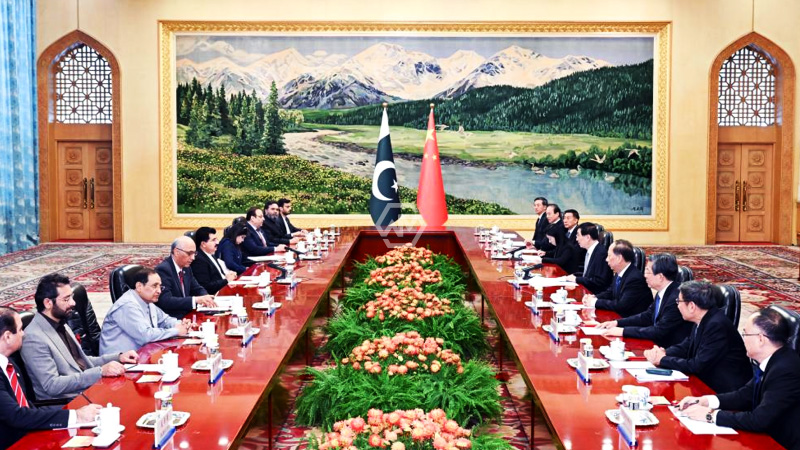
China’s once unwavering trust in Pakistan appears shaken as Foreign Minister Wang Yi issued a direct warning to Field Marshal Asim Munir during his recent visit to Beijing.
In response, Pakistan’s top military leadership reaffirmed its commitment to protecting Chinese citizens and interests. Munir emphasized that bilateral cooperation was deeply rooted in mutual respect and shared goals, and pledged enhanced counter-terror coordination.
Storm Clouds Over Silk Road: China Pressures Pakistan on Security Failures
The escalating attacks on Chinese workers—especially in Balochistan and Karachi—have made CPEC a symbol of vulnerability rather than progress. Despite Pakistan’s promises of enhanced security, the frequency and audacity of attacks have led Beijing to question Islamabad’s control over internal threats, particularly those posed by separatist groups and insurgents.
China’s tone during this latest diplomatic engagement marked a departure from its usual quiet diplomacy. Wang Yi’s use of the term “grave concerns” signaled a harder stance, reflecting internal pressure from Beijing’s own political and strategic circles demanding tangible accountability from Pakistan.
India, meanwhile, views the tightening military collaboration between China and Pakistan with alarm. Reports of Chinese intelligence support during Pakistan’s recent Operation Sindoor and the deployment of Chinese-made equipment on sensitive borders have added fuel to geopolitical rivalries in South Asia, complicating regional stability.
The future of CPEC—and by extension the Belt and Road Initiative’s success in South Asia—now hinges on Pakistan’s ability to deliver more than promises. With economic stakes running high, failure to guarantee safety could push China to re-evaluate its investments, or even scale them back in favor of more stable partners in the region.
The Pakistan-China partnership may still stand publicly strong, but the real test lies in Islamabad’s ability to act swiftly and decisively against domestic threats. Only then can this alliance endure the growing strain.
“A friendship founded on business is a good deal, but it’s the trust that keeps it alive.” – Anonymous