
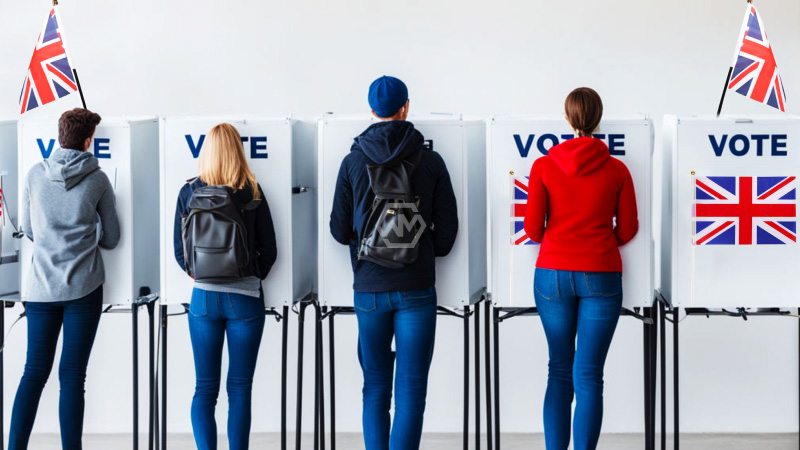
- Voting age to be lowered to 16 across all UK elections.
- Move expected to add 1.5 million new young voters.
- Reform aims to strengthen democratic participation and trust.
For the first time in over five decades, the United Kingdom is making a transformative change to its democratic process by lowering the voting age to 16 for all elections, including general elections.
The government has positioned this move as a vital step to rebuild public trust in democracy and increase civic participation among youth.
New Voices at the Ballot: UK Lowers Voting Age to 16
This legislation marks the most sweeping change to UK voting rights since 1969, when the minimum voting age was reduced from 21 to 18. By extending the right to vote to 16 and 17-year-olds, the UK joins a growing list of nations embracing youth engagement in national decision-making. Countries like Austria and Brazil have already demonstrated the benefits of younger voting populations in building more inclusive democracies.
Supporters of the reform say it reflects a broader cultural shift in recognizing the political maturity of young people. Many teens are already active in civic life—through protests, volunteering, and online discourse—and this legislative move acknowledges their stake in the nation’s direction. Critics, however, argue that 16-year-olds may lack the life experience necessary to make informed choices, though advocates counter that civic education can effectively prepare them.
The government estimates that this shift could add up to 1.5 million teenagers to the voter roll, with the IPPR think tank suggesting the broader reforms may engage up to 9.5 million additional voters overall. This expanded electorate has the potential to alter political strategies, with parties now needing to address the concerns of a younger and more digitally connected demographic.
Deputy Prime Minister Angela Rayner emphasized that the move is not just about voting age but about “removing barriers to participation” and “ensuring democracy evolves to reflect the people it serves.” The change is part of a larger agenda to modernize the electoral system, which may include exploring online voting, improved voter ID processes, and updated civic education in schools.
Lowering the voting age is more than a procedural change—it’s a signal that young voices matter in shaping the UK’s future. This bold reform has the potential to revitalize political discourse and create a more engaged electorate for years to come.
“The youth of today are the leaders of tomorrow.” — Nelson Mandela