
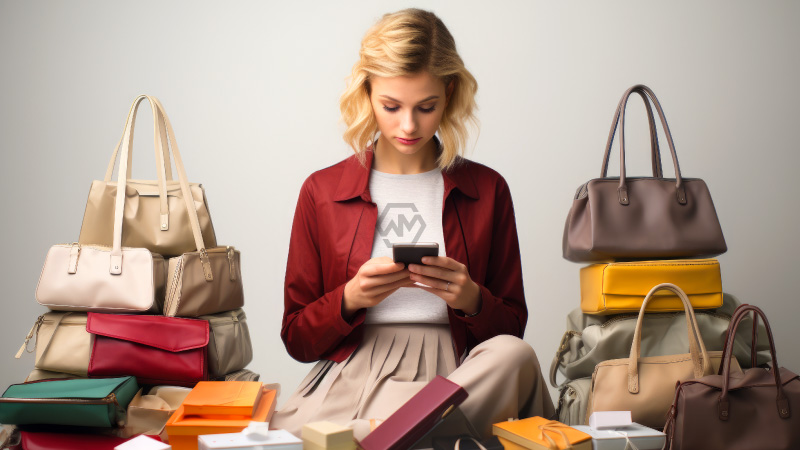
- The global resale market for luxury bags is projected to reach $12.5B by 2035.
- Gen Z and millennials are driving growth with eco-conscious, value-driven purchases.
- Digital platforms and brand-led circularity are revolutionizing the concept of luxury.
Luxury fashion is undergoing a quiet revolution. What was once a world defined by exclusivity and newness is now being reshaped by sustainability, affordability, and accessibility.
This shift isn’t just consumer-driven—brands are now adapting. Legacy luxury houses are entering the resale space, launching their own certified pre-owned programs to maintain control and capitalize on evolving customer values.
From Status Symbol to Circular Icon: The Rise of Pre-Owned Luxury Bags
The appeal of pre-owned luxury bags extends beyond savings. For many consumers, especially Gen Z, it’s about ethical consumption. With fast fashion’s environmental toll under scrutiny, buying a second-hand Chanel or Louis Vuitton bag is a conscious lifestyle choice that merges aesthetics with responsibility. These bags offer timeless craftsmanship without the guilt of contributing to overproduction.
Digital platforms have democratized the resale experience. No longer confined to consignment shops, luxury resale is now mobile, global, and data-driven. Real-time pricing tools, AI authentication, and sleek user interfaces have turned once-niche platforms into mainstream e-commerce powerhouses. As consumer trust grows, so does demand.
Luxury brands, once hesitant, are now embracing the second-hand economy to retain relevance. Gucci, for example, has integrated vintage items into its online offerings, while other houses collaborate with trusted resale platforms to offer verified pre-owned inventory. This not only protects brand identity but also strengthens customer loyalty in an era when values often outweigh logos.
The global reach of this trend is profound. In Europe, resale aligns seamlessly with sustainability legislation and circular economy initiatives. In Asia, rising disposable incomes and digital fluency fuel rapid adoption. Even in emerging markets like the UAE and Brazil, young consumers are driving a cultural shift where second-hand luxury is seen as smart, stylish, and sustainable.
As the boundaries between new and pre-owned luxury blur, the future of fashion lies not in constant creation, but in thoughtful circulation.
“Luxury is not about buying more, but buying better.” — Vivienne Westwood