
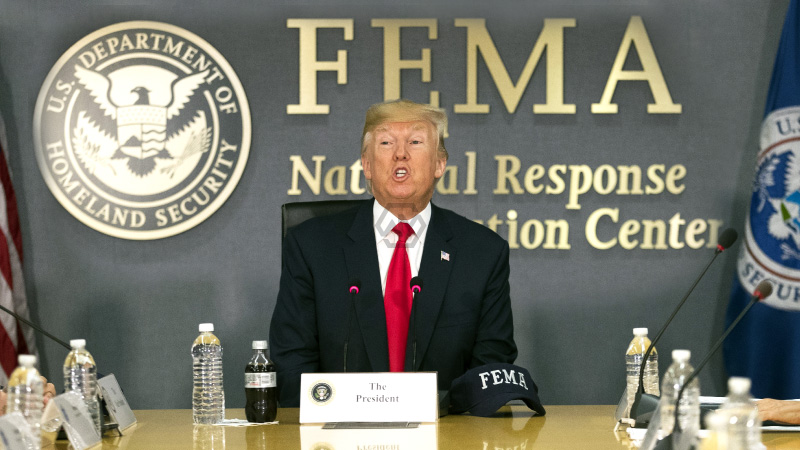
- Trump visits Texas flood zone following a deadly disaster that claimed over 120 lives.
- His FEMA phase-out plans remain unaddressed despite ongoing recovery efforts.
- Praise for Republican officials marks a contrast to past disaster response rhetoric.
President Donald Trump arrived in Texas on Friday to survey the catastrophic flood damage that recently devastated Kerr County, resulting in the deaths of more than 120 individuals, including 27 children at a local Christian summer camp.
Despite having pledged to phase out FEMA and shift disaster management to states, Trump avoided the topic during his Texas visit. Instead, he commended the federal response and his relationship with Texas Governor Greg Abbott, a stark departure from his previous criticism of Democratic governors during similar crises.
In the Eye of the Storm: Trump’s Texas Visit Tests FEMA Rhetoric
Trump’s approach during this visit underscores a strategic political shift. By avoiding criticism of Texas officials and emphasizing compassion, he seeks to present a more unifying tone — a contrast to his confrontational stance in previous disasters like the California wildfires or hurricanes in Democratic-led states. His political allies, including Senators Ted Cruz and John Cornyn, accompanied him, reinforcing the image of party solidarity amid crisis.
The FEMA debate remains a thorny issue. Trump’s past promises to dissolve or reduce the agency clash with the urgent need for centralized disaster coordination in Texas. Secretary Noem’s recent policy requiring her approval for expenditures over $100,000 has sparked concerns over bureaucratic delays, although the administration insists it is working efficiently. FEMA’s future hangs in the balance as reviews and restructuring efforts unfold.
Meanwhile, local authorities face scrutiny over their preparedness and response. The Guadalupe River’s sudden rise left little time for action, but critics argue that better forecasting and warning systems might have saved lives. Residents like Darrin Potter voiced nuanced views, recognizing the limitations of infrastructure while acknowledging gaps in early alert protocols.
This flood has reignited broader questions about the federal role in emergency management. The optics of Trump’s visit — emotionally charged, politically careful, and strategically framed — reflect the complexity of governing in times of disaster. With over 170 people still missing, the true test of leadership may lie not in speeches but in sustainable support and transparent reform.
Trump’s Texas visit reveals both the emotional gravity of natural disasters and the delicate politics of federal response. As recovery continues, so does the debate over FEMA’s future.
“In the midst of every crisis, lies great opportunity.” — Albert Einstein