
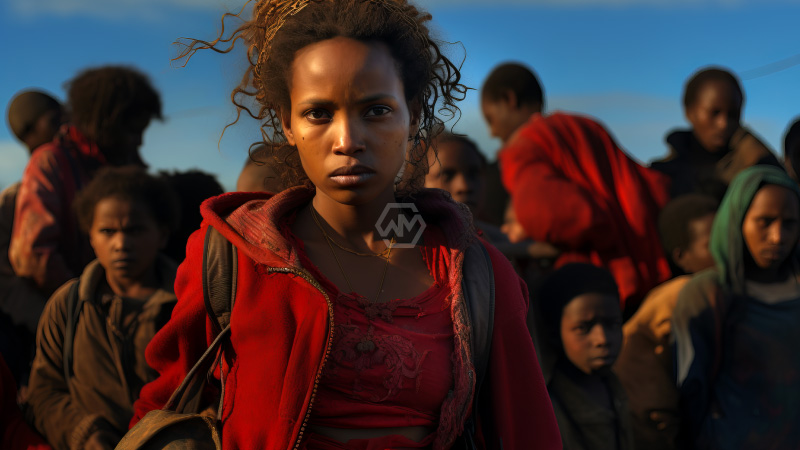
- Uganda nears 2 million refugees as aid funding dwindles, threatening essential services.
- Serbia faces global scrutiny over repression of protestors and academic voices.
- FAO and UK launch initiative to restore agricultural resilience in rural Afghanistan.
Uganda is confronting a humanitarian tipping point, with nearly 2 million refugees—mostly from neighboring war-torn regions—straining its already underfunded support systems.
In Europe, Serbia’s democratic framework is under pressure as independent experts report escalating state repression of peaceful protests. What began as outrage over an infrastructural disaster has grown into a broader demand for transparency and justice.
Frontlines of Survival: Uganda’s Refugee Burden, Serbia’s Civil Unrest, and Afghanistan’s Agricultural Hope
The UNHCR has highlighted that Uganda, currently hosting over 1.93 million refugees, is one of the most generous countries in Africa when it comes to refugee integration. However, that generosity is at risk. Refugees now receive just a third of what’s needed for survival, forcing families to make heart-wrenching decisions such as withdrawing children from school or skipping meals altogether.
In Serbia, educators and civil society figures have been penalized for expressing solidarity with protestors. Universities have faced budget cuts and staff have endured threats for supporting democratic discourse. This represents not only a suppression of academic freedom but also a warning sign for wider institutional control.
Meanwhile, Afghanistan’s farmers—many of whom have endured years of drought, war, and food insecurity—are seeing a glimmer of hope through the Resilient Agriculture Livelihoods (ReAL) program. By focusing on climate-smart agriculture, improved market access, and sustainable practices, the FAO aims to shift communities away from dependency on humanitarian aid toward long-term food security.
The program’s emphasis on reaching women and landless workers acknowledges both the social and economic vulnerabilities of marginalized groups. It seeks to rebuild agency and dignity in rural populations, while tackling structural inequalities that were worsened by decades of instability and climate disasters.
These unfolding challenges and initiatives in Uganda, Serbia, and Afghanistan reflect a global need for sustained solidarity, democratic accountability, and localized resilience-building.
“Injustice anywhere is a threat to justice everywhere.” — Martin Luther King Jr.