
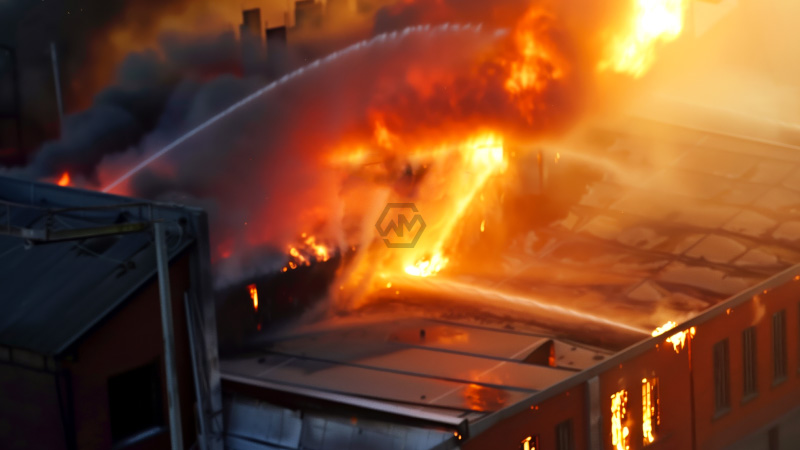
- Russia launched 741 aerial weapons in its largest-ever assault on Ukraine.
- The strike followed Donald Trump’s criticism of Vladimir Putin’s peace stance.
- Most drones and missiles were neutralized, but regional damage and one fatality occurred.
Russia executed its largest drone and missile barrage on Ukraine overnight, deploying 728 Shahed-type UAVs and 13 missiles in a calculated act of escalation.
Ukrainian President Volodymyr Zelensky condemned the attack as a deliberate provocation, noting that it struck multiple regions, including Kyiv, Dnipro, and Lutsk.
Drone Storm Over Ukraine: Russia Sends Violent Signal After U.S. Peace Push
The scale and complexity of the assault suggest a shift in Russia’s military tactics, heavily relying on swarms of drones and decoys to overload Ukrainian defenses. While Ukraine’s success in neutralizing the majority of the threats demonstrates significant electronic warfare progress, it also reveals critical vulnerabilities in areas lacking adequate missile defense coverage, especially against high-speed Kinzhal missiles.
This escalation also appears to be a geopolitical message timed to coincide with rising international discourse on peace. Trump’s unusually direct comments labeling Putin’s peace talk efforts as “bullsh*t” may have played a role in triggering the show of force. Kremlin statements later confirmed that high-precision weapons were used to target Ukrainian airfields, which they claimed were successfully hit.
NATO’s response was cautious but immediate. Poland’s deployment of fighter jets to its eastern front signaled growing wariness about the conflict spilling across borders. While no violations of Polish airspace were reported, the psychological and strategic impact of the attack near NATO lines cannot be underestimated.
Ukraine’s leadership used the attack to renew its plea for increased military aid, particularly modern air defense systems like the Patriot. Zelensky emphasized that any international actor claiming to support peace must also support Ukraine’s ability to defend itself. As Western countries weigh their next steps, the effectiveness of their collective response may shape the course of the conflict heading into winter.
Russia’s latest aerial onslaught serves as both a battlefield maneuver and a political statement, starkly challenging international peace efforts and exposing gaps in Ukraine’s defenses.
“When the power of love overcomes the love of power, the world will know peace.” – Jimi Hendrix