
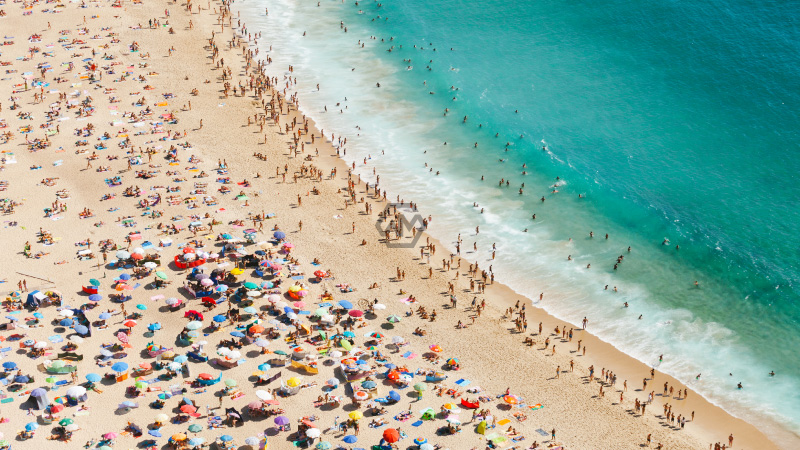
- Elevated bacteria levels prompt beach closures nationwide during Fourth of July weekend.
- Stormwater runoff and natural pathogens like Vibrio are key culprits.
- Health officials advise swimmers to check local advisories before heading to the beach.
As Americans geared up for beach celebrations this Fourth of July, many were met with disappointing news—dozens of beaches across the country have been closed or flagged with health advisories due to high levels of harmful bacteria.
Much of the bacterial surge is linked to stormwater runoff, which increases after heavy rainfall and can carry contaminants from urban, agricultural, and natural sources into waterways.
Contaminated Waters Cloud Fourth of July Beach Outings Nationwide
In San Diego, several beloved beaches were closed as officials cited bacteria levels “exceeding health standards.” These closures disrupted traditional Independence Day gatherings at usually bustling sites like Imperial Beach and Silver Strand. Authorities are conducting frequent water sampling and expect to reopen locations once conditions improve.
On the East Coast, multiple counties on Long Island shut down beaches including Ronkonkoma and Sayville Marina Park. Suffolk County warned that the bacteria readings far surpassed acceptable criteria, emphasizing that public safety remains the top priority. Beaches will reopen only after multiple clear test results are confirmed.
Illinois and Michigan have not been spared. Illinois posted 34 beach advisories across lakes and recreational waters, while Michigan reported nine closures, largely attributed to runoff and animal waste contamination. These warnings underline that inland lakes face similar pollution challenges as oceanfront coasts.
The Centers for Disease Control and Prevention (CDC) estimates around 80,000 annual cases of illness from waterborne bacteria in the U.S., with symptoms including diarrhea, vomiting, fever, and abdominal pain. Experts suggest avoiding water for at least 24–48 hours after heavy rains and checking real-time beach monitoring dashboards provided by state health departments.
As beach bacteria advisories continue to impact summer plans, staying informed and cautious can help families enjoy safer holiday outings. While closures are frustrating, they are essential to protecting public health.
“An ounce of prevention is worth a pound of cure.” — Benjamin Franklin